
Presentation: Although our blog “beyond the field” does not usually feature book presentations, we are sharing the author’s own introduction on this occasion. The views expressed are the author’s and reflect her personal and professional experience.
After 20 years working as a human rights officer for the United Nations, I decided to compile and publish correspondence with my family and friends from South Sudan, the world’s youngest nation, and still little known to many. In my career, I have worked in diverse contexts and places often described as remote, witnessed key events, and lived in challenging conditions. Yet South Sudan, even more than Afghanistan, Nepal, the Democratic Republic of the Congo, the Central African Republic, or Haiti, has been a place of profound personal and professional learning.
Il paese delle vacche magre dalle corna lunghe is the story of the ten years spent in a country shaped by traditions and social practices that challenge many contemporary assumptions, told through everyday episodes, including moments of humour. I also discuss human rights work, recounting my daily activities, flavoured with the personal stories of colleagues and people I met. With the outbreak of civil war in December 2013, the narrative describes a reality at times marked by extreme violence. I kept focusing, however, on local customs and ways of thinking, which often challenged and unsettled my own assumptions. The story is shaped by the people I met through work, by colleagues who brought a piece of their own countries to South Sudan, and by the daily difficulties of working in a country marked by war and structural neglect. The armed conflict, the long peace process, and political events provide the setting of a layered collage of people, histories, and encounters.
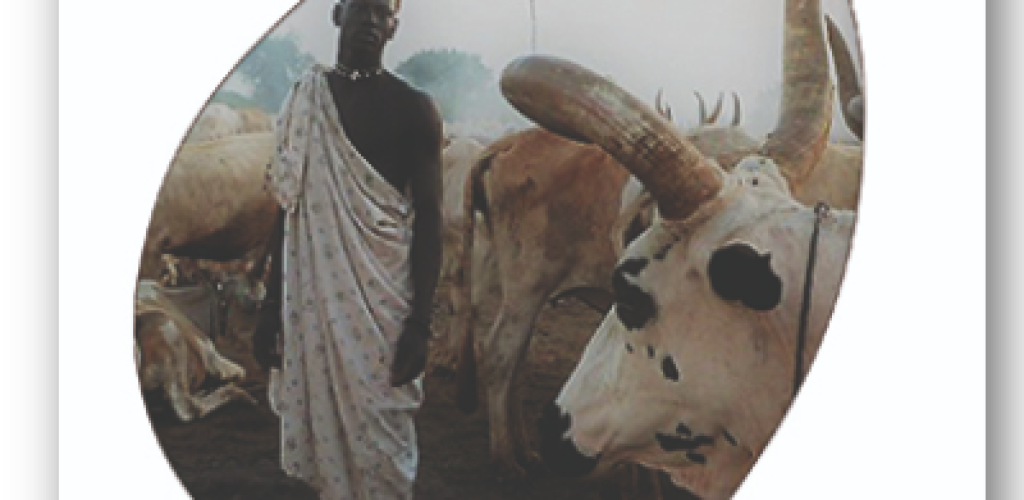
The book addresses a variety of subjects: the role of the “very extended” family; religion coexists with traditional beliefs, including practices often labelled as witchcraft, in daily life; what are commonly described as forms of corruption; and much more. The lives and struggles of women were central to my work. You will find many of their stories, and my attempts to understand and respond to injustices caused and solved by a central social and economic actor in South Sudanese life: the cow. For many outsiders, what may appear to be just an animal represents an essential element of social, cultural and political life, regardless of people’s social status; it’s both a unit of measurement and the primary method of payment, preferred over dollars. The reader will learn how it can be a source of both wealth and devastation, and how it can influence political decisions or spark conflict.
This book does not claim to explain South Sudan. It reflects one situated perspective, shaped by friendship, work, misunderstanding, affection, and institutional constraints, offered with respect for the people whose lives exceed any narrative.